Ibn Arabi's Heresy You Are Not Who You Think
The Inward Light
0:00 / 0:00
Ibn Arabi's Heresy You Are Not Who You Think
214 просмотров · 3 нед. назад
The Inward Light
18 подписчиков
214 просмотров · 3 нед. назад
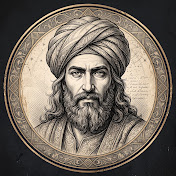
Eight centuries ago, a mystic in Andalusia proposed an idea so radical that scholars still argue over whether it was genius or heresy.
His name was Ibn Arabi, and the doctrine that grew from his writings later called the oneness of being suggested that only one reality truly exists, and everything else, including you, is a fleeting reflection of it. In this video, The Inward Light unpacks that teaching through fresh metaphors: a flame inside a hall of mirrors, sunlight moving through glass, a servant and a master who are somehow never fully separate. We trace how Ibn Arabi read scripture more literally than his critics dared, why some accused him of blurring the line between creator and creation, and how later mystics softened his claims into something safer. Along the way we explore what this idea means for how we treat other people, how we survive despair, and why separation itself might be the most convincing illusion the mind ever builds. If you're drawn to Sufism, mysticism, philosophy of self, or the nature of consciousness, this is a journey worth taking slowly, one breath at a time.
CHAPTERS:
00:00 The Question Hiding in Plain Sight
01:05 The Scholar They Called Dangerous
02:40 The Flame Behind Every Mirror
04:20 Why Separation Feels Real (But Isn't)
06:15 The Servant, the Master, and the Final Word
Disclaimer:
This video is created for educational and motivational purposes using AI tools for script drafting, voiceover, and visuals. While every effort is made to present authentic content, AI tools can produce unintentional errors, mistranslations, or inaccuracies.
This content does not constitute formal religious rulings (Fatwas) or scholarly authority. Viewers are strongly advised to verify all Quranic verses, Hadith narrations, and religious points with authentic classical sources and qualified Islamic scholars. If you spot an error, please let us know respectfully so we can correct it. All good is from Allah, and any shortcomings or mistakes are entirely our own.
