Kenapa Kita Merasa Paling Tertinggal dari Teman?
Improve Mind
0:00 / 0:00
Kenapa Kita Merasa Paling Tertinggal dari Teman?
31 просмотр · 4 дн. назад
Improve Mind
28 подписчиков
31 просмотр · 4 дн. назад
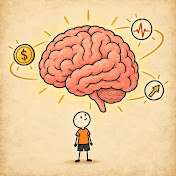
Akhir tahun, kenapa kita merasa paling tertinggal dari teman? Setiap Desember, rekap pencapaian orang lain bermunculan di media sosial, dan tiba-tiba hidup kita terasa jalan di tempat. Penelitian psikologi menjelaskan kenapa perasaan itu muncul, dan kenapa perasaan itu sering salah.
Di video ini kita bongkar:
• kenapa otak kita otomatis membandingkan diri dengan orang lain
• kenapa kita selalu meremehkan seberapa sering orang lain juga sedih dan gagal
• kenapa kita merasa hidup sosial orang lain lebih seru
• apakah media sosial benar-benar biang keroknya
• 3 cara berbasis penelitian supaya nggak tenggelam dalam rasa tertinggal
Satu hal kecil yang berhasil kamu lewati tahun ini, tapi nggak pernah kamu posting, apa? Tulis di kolom komentar 👇
Subscribe untuk video sains sehari-hari tentang kesehatan, keuangan, dan pengembangan diri.
Catatan: jika perasaan sedih atau tertinggal berlangsung lama dan mengganggu keseharianmu, jangan ragu menghubungi psikolog atau tenaga kesehatan.
Sumber penelitian:
Festinger, L. (1954). A Theory of Social Comparison Processes. Human Relations, 7(2), 117–140.
Vogel, E. A., Rose, J. P., Roberts, L. R., & Eckles, K. (2014). Social Comparison, Social Media, and Self-Esteem. Psychology of Popular Media Culture, 3(4), 206–222.
Chou, H.-T. G., & Edge, N. (2012). "They Are Happier and Having Better Lives than I Am": The Impact of Using Facebook on Perceptions of Others' Lives. Cyberpsychology, Behavior, and Social Networking, 15(2), 117–121.
Jordan, A. H., Monin, B., Dweck, C. S., Lovett, B. J., John, O. P., & Gross, J. J. (2011). Misery Has More Company Than People Think: Underestimating the Prevalence of Others' Negative Emotions. Personality and Social Psychology Bulletin, 37(1), 120–135.
Deri, S., Davidai, S., & Gilovich, T. (2017). Home Alone: Why People Believe Others' Social Lives Are Richer Than Their Own. Journal of Personality and Social Psychology, 113(6), 858–877.
Orben, A., & Przybylski, A. K. (2019). The Association Between Adolescent Well-Being and Digital Technology Use. Nature Human Behaviour, 3, 173–182.
Verduyn, P., dkk. (2015). Passive Facebook Usage Undermines Affective Well-Being: Experimental and Longitudinal Evidence. Journal of Experimental Psychology: General, 144(2), 480–488.
Hunt, M. G., Marx, R., Lipson, C., & Young, J. (2018). No More FOMO: Limiting Social Media Decreases Loneliness and Depression. Journal of Social and Clinical Psychology, 37(10), 751–768.
Emmons, R. A., & McCullough, M. E. (2003). Counting Blessings Versus Burdens. Journal of Personality and Social Psychology, 84(2), 377–389.
#merasatertinggal #psikologi #kesehatanmental #akhirtahun #selfimprovement
