Distributism Explained: Chesterton's Alternative to Capitalism and Socialism
Chesterton's Legacy
0:00 / 0:00
Distributism Explained: Chesterton's Alternative to Capitalism and Socialism
249 просмотров · 6 месяцев назад
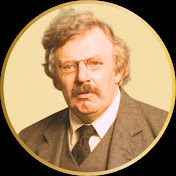
Chesterton's Legacy
85 подписчиков
249 просмотров · 6 месяцев назад
The capitalism versus socialism debate dominates modern economics, but both systems share a hidden assumption that makes the entire binary a trap. This video explains why G.K. Chesterton rejected both—and what his economic alternative, distributism, offers instead.
Most people assume the only choice is between corporate monopoly and state control. Capitalism concentrates ownership in the hands of corporations and the wealthy. Socialism transfers that ownership to the state. Both strip ordinary people of economic agency. Both reduce workers to instruments—either for profit or for the collective. Neither allows widespread personal ownership of property, tools, or the means of production.
Chesterton diagnosed this shared failure in The Outline of Sanity (1926). He argued that the problem isn't who owns the concentration—it's the concentration itself. When property pools into distant hands, whether corporate or governmental, people lose responsibility, dignity, independence, and meaning in their work. Distributism rejects this model entirely and proposes a third structural answer: property should be distributed as widely as possible among families and communities.
This isn't nostalgia or anti-technology sentiment. Distributism has concrete mechanisms: aggressive anti-monopoly enforcement, worker cooperatives, guild systems, protection of family farms, limits on absentee ownership, and economic subsidiarity. These aren't theoretical ideals—they're working models with historical precedent and modern examples. The question is whether we'll tolerate the legal and economic structures that crush them.
The video walks through capitalism's promises versus its outcomes, socialism's case versus its structural failures, and the hidden common premise both accept. It then introduces distributism's core principle, explains how it functions in practice, addresses anticipated objections, and translates the framework into 2026 economic realities—Amazon monopoly, gig economy precarity, loss of vocation, and institutional consolidation.
Understanding distributism gives you language for economic convictions outside partisan binaries. You can evaluate policies by one question: Does this concentrate ownership or distribute it? That single lens cuts through political tribalism and reveals what both capitalism and socialism refuse to admit—ordinary people can own property if systems are structured to protect them.
This matters now because you're living in a monopolistic economy pretending to be a free market. You don't own your tools, your trade, or the product of your labor. Your vocation has been reduced to a job. The political options you're given—defend corporate power or expand state power—both leave you dependent. Distributism is the coherent alternative that neither side wants you to see.
If you're tired of choosing between systems that strip you of ownership, this video offers the intellectual framework you've been missing. The many can own. The question is whether we'll build systems that let them.
