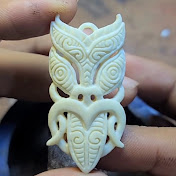
Carved Taiaha.
PP Carving Art
0:00 / 0:00
Carved Taiaha.
2 731 просмотр · 2 года назад
PP Carving Art
2,19 тыс. подписчиков
2 731 просмотр · 2 года назад
A taiaha (Mãori pronunciation: [taiaha])
is atraditional weapon of the Maori of
NewZealand; a close-quarters staff weapon
made fromeither wood or whalebone, and used
for short, sharpstrikes or stabbing thrusts with
efficient footwork onthe part of the wielder.
Taiaha are usually between 5 and 6 feet (1.5
and1.8 m) in length. It has three main parts; the
arero(tongue), used for stabbing the opponent
andparrying; the upoko (head), the base from
which thetongue protrudes; and the ate (liver)
or tinana (body),the long flat blade which is also
used for strikingand parrying
Mau rakau is the martial art that teaches the
use ofthe taiaha and other Mãori weapons
in combat. Aswith other martial arts styles
students of the taiahaspend years mastering
the skills of timing, balanceand co-ordination
necessary to wield the weaponeffectively. The
taiaha is widely known due to its usein the wero
the traditional Mãori challenge duringthe
põwhiri, a formal welcoming ceremony. A
wero is commonly given to heads of state and
visitingdignitaries welcomed to New Zealand.
The taiaha is one of many cultural items which
areused to introduce children in school to
Mãoriculture. They are also used in present-day
kapahaka competitions, and training with the
taiaha isseen as part of the Mãori cultural
revival.
History
The use of traditional Mãori weaponry declined
afterthe Europeans arrived in New Zealand
Weaponssuch as the taiaha were replaced by
the Europeans'muskets and para whakawai,
or traditional Mãoriweaponry training schools,
disappeared altogether. As a result, the
traditional weaponry knowledge waslost among
many Maori tribes. Some tribesmanaged to
maintain their distinctive traditions bypassing
down traditional knowledge secretlybetween a
few chosen individuals.
During the Mãori cultural renaissance in the
1980s,
there has been a renewed interest and
cultivation oftraditional weapons. Although
there is a muchnarrower range of traditional
weapons beingrevived, the Mãori weaponry has
expanded tobecome a significant trademark of
Mãori culture.This revival has been part of the
larger Mãoricultural renaissance that began in
the late 1960s.The survival of Mãori weaponry
was only possiblewith the work and activism
of remaining experts likelrirangi Tiakiawa, Pita
Sharples, John Rangihau,Matiu Mareikura and
Mita Mohi.
