C&TSR 487, A Fine Piece of Mechanical Mastery!
Yard Limit
0:00 / 0:00
C&TSR 487, A Fine Piece of Mechanical Mastery!
1 344 просмотра · 1 дн. назад
Yard Limit
9,13 тыс. подписчиков
1 344 просмотра · 1 дн. назад
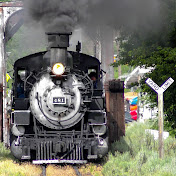
Built in August 1925 by the Baldwin Locomotive Works, Denver & Rio Grande Western No. 487 emerged from the Philadelphia shops as a powerhouse of the American narrow gauge. As a Class K-36 "Mikado" (2-8-2 wheel arrangement), she was designed to conquer the brutal, twisting mountain passes of Colorado and New Mexico. Resting on a unique three-foot gauge track with outside frames and massive 44-inch drivers, engines like the 487 were engineering marvels capable of hauling heavy freight and passenger consists through terrain that standard-gauge railroads could never practically reach.
For decades, No. 487 was an indispensable workhorse for the Rio Grande, laboring through the demanding duties of the Third and Fourth Divisions. Whether fighting heavy snowdrifts on the grueling climb to Cumbres Pass or hauling freight to remote outposts like Farmington, the locomotive earned a reputation for raw strength and resilience.
487 was converted from burning coal to oil in August 2024, making its first revenue run as an oil burner on September 5, 2024. Despite her brute power, engineers hold a complicated relationship with the engine; she is notorious for dropping steam pressure on the punishing climb up Cumbres Pass, frequently requiring frustrating stops to allow the boiler pressure to build back up before she can conquer the grade.
487 is notably famous for carrying a dedicated snowplow on her front pilot, cementing her identity as a quintessential winter warrior of the San Juan Mountains.
When common-carrier narrow-gauge operations finally wound down, No. 487 transitioned seamlessly into a new era of historic preservation. Transferred to the Cumbres & Toltec Scenic Railroad, she continues to roar across the high-altitude wilderness she was built for, carrying generations of travelers back to the golden age of steam. Through meticulous overhauls—including conversion to oil firing—the venerable Mikado remains an active, breathing testament to industrial history, echoing the timeless song of a Rio Grande steam whistle bouncing off the rocky canyon walls. She is indeed a fine piece of mechanical mastery!
