The Resistance Beneath AI Adoption
Brian Gorman, AI & Future of Work
0:00 / 0:00
The Resistance Beneath AI Adoption
46 просмотров · 2 недели назад
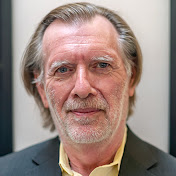
Brian Gorman, AI & Future of Work
33 подписчика
46 просмотров · 2 недели назад
AI adoption is often treated as a technology challenge. Choose the right tools, train people to use them, and improve the workflow. But resistance to AI runs deeper than the resistance that accompanies most workplace technologies.
In this episode of Beyond AI: Wisdom at Work, Brian Gorman speaks with Dr. Gleb Tsipursky ( / dr-gleb-tsipursky ) , founder of Disaster Avoidance Experts and author of The Psychology of AI Adoption at Work: From Resistance to Results, about the psychology beneath AI resistance.
Gleb identifies three forces that distinguish AI adoption from more traditional technology change: fear, threats to professional identity, and shame. Employees may fear that using AI means helping train their replacement. They may resist handing over work that has long been part of how they define their professional value. And even those who use AI may hide that use from colleagues, limiting the ability of teams and organizations to learn from one another.
Brian and Gleb explore why successful adoption begins by involving people rather than imposing solutions on them. One practical starting point: use AI first to take away the work people find frustrating, repetitive, or burdensome, not necessarily the work they value and want to keep doing.
As people experience the benefits and organizational norms begin to change, adoption can expand.
The conversation also looks ahead to how roles themselves may evolve. Gleb argues that middle management will remain important, but its work will change as employees increasingly supervise AI agents. Coordination, collaboration, guardrails, and governance become critical leadership responsibilities. And because the technology continues to evolve, continuous learning and unlearning become essential.
Ultimately, AI adoption is not simply about what the technology can do. It is about understanding how people experience the change and creating the conditions in which they can move through it.
In This Episode
• Why fear, professional identity, and shame can drive resistance to AI
• How “shadow AI” can increase individual productivity while limiting organizational learning
• Why involving employees in deciding where AI can help creates stronger buy-in
• How the role of middle managers may shift as people increasingly supervise AI agents
• Why continuous learning, unlearning, and human wisdom become more important as AI capability grows
About Gleb Tsipursky
Dr. Gleb Tsipursky, called the “Office Whisperer” by The New York Times, helps leaders turn AI hype into measurable results as CEO of Disaster Avoidance Experts. He is the author of eight books, including the forthcoming The Psychology of AI Adoption at Work: From Resistance to Results from Georgetown University Press, and his work has appeared in Harvard Business Review, Fortune, Time, Forbes, and The New York Time.
About Brian Gorman
Brian Gorman is an executive advisor, author, speaker, coach, and host of Beyond AI: Wisdom at Work. He works at the intersection of artificial intelligence and human wisdom, helping CEOs, founders, boards, and senior leadership teams think clearly about AI, change, decision-making, culture, trust, and the future of work. His book, Leading into the Age of Wisdom: Reimagining the Future of Work, explores how leaders can move beyond intelligence alone and bring deeper wisdom to the decisions shaping people, organizations, and society.
To Continue the Conversation
If anything you hear in this podcast sparks a conversation you want to have or a question you want to explore, reach out.
Gleb
Email: gleb@disasteravoidanceexperts.com (mailto:gleb@disasteravoidanceexperts.com)
Phone: +1 614-407-4016
Website: Disaster Avoidance Experts (https://disasteravoidanceexperts.com/)
Brian
Email: Brian@TransformingLives.Coach (mailto:Brian@TransformingLives.Coach)
Phone; +1 917.653.5198
Website: TransformingLives.Coach (https://transforminglives.coach/)
