Wild Survival
Angelique Rea
0:00 / 0:00
Wild Survival
400 просмотров · 7 мес. назад
Angelique Rea
363 подписчика
400 просмотров · 7 мес. назад
Wandering the desert in winter is always interesting and an education - at least for me.... in the 15+ years of this journey with wild horses I have seen winters of cruel snowy cold and winters that were not very wintery - this is the driest winter that I personally have observed and documented in the desert.
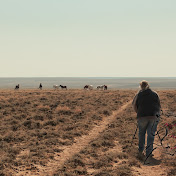
On this particular day I wandered down a road and into an area that is usually pretty snowy with deep drifts and few wild horses this time of year.... but a dry winter has caused a shift in their wanderings - partly because they don't have to move to their usual wintering grounds to survive, partly because they must look to different sources of water - no snow means no easy water source.
As I drive the road there is a small band of bachelors.... and as I sat with them a larger family band crosses the hills above us, all aware of and observing each other - the family band is headed somewhere and I keep driving down the road to see what else I might see... the family band pausing along the ridges above me as they slowly make their way down to a small draw below.
What I did not realize at first was the draw they go into is their water source.... not a bubbling spring or pond because it is cold and things are frozen, but a place where a spring either begins or passes through, with water freezing in small pockets, and as the sun warms us the ice begins to pop and melt just enough for them to be able to get a little drink. The youngsters are very curious of me as I stand on the road and are so much fun to watch in their observing me just as much (or more) of me observing them - you will notice that several of the horses are licking the ground.... this is a not just a watering spot, but has minerals in the dirt!
I stayed only a little while here, once I realized this was a necessary to their thriving space, and clearly they were aware of my presence, I did not want to do anything more that might cause them to move away and lose the little bit of necessary moisture and minerals for their day.... but this morning was not done showing me just how well wild horses know their land and where to be in dry winters.
As I climb into my rig and about to turn it on I realize there were more wild horses coming down the hills in front of me - from the other side of the valley and into a different water and mineral spot!
As I sat in my rig - not wanting to do anything that would cause them to stop and turn around - I start looking around and realize there are several small wild horse family bands moving down into the draws and places where the water had gathered and frozen - they all were coming in just as the sun warms the ice enough to melt it a little, when the minerals are easier to get from the sun warmed dirt, they knew not just where to go to get what they needed, but exactly when the best time of day would be!
I sit for several minutes watching the horses move about their day, finally starting my truck and slowly creeping down the road, leaving them to their day, thanking them for allowing me to observe this moment and showing me yet again how wild horses know exactly all the things that are there for them in their native land - and a very sarcastic voice in me said: gee, where are all those ranchers right now that brag how they keep the wild horses alive by providing water!?! No where to be seen are they.... because the reality is, while summer ranch maintained water tanks are nice, they are not what keeps wild horses alive.
Wild horses keep wild horses alive - do they sometimes need man to step up and do something.... well yeah, almost always because man caused the problem! But mostly we just need to step back and allow them to do what they already know to do.... we need to listen to them, stop rushing and allow them to show us what they already know, and are asking us to learn from them.
One of the things that man can and must do to ensure the survival of wild horses, is to acknowledge that the invisible HMA borders wild horses are supposed to know and abide by, are not borders the horses recognize as legitimate.... these horses know where their wild native lands are, they carry in their bones the ancient knowledge of their ancestors, and no amount of man-made borders, fences, or demands can change what is in their DNA.
Green Mountain HMA
Red Desert of Wyoming
February 2026
