How the First Words Built Civilization | History of the World Explainer Ep. 5
The Human Story Lab
0:00 / 0:00
How the First Words Built Civilization | History of the World Explainer Ep. 5
7 просмотров · 2 дня назад
The Human Story Lab
11 подписчиков
7 просмотров · 2 дня назад
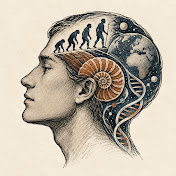
Welcome to Episode 5 of our "History of the World" explainer series! In this installment, we analyze Chapter 5 of Will Durant’s The Story of Civilization (Our Oriental Heritage), examining "The Mental Elements of Civilization". While economic structures, physical settlements, and political systems provided humanity with the physical security needed to survive, it was the transformation of the mind that truly elevated mankind from savagery into civilization. How did early hominids evolve from basic animal vocalizations into sophisticated abstract thought? How did words, initiation rites, symbolic writing, early science, and artistic expression unite generations across centuries? In this comprehensive explainer, we explore Will Durant’s examination of the intellectual apparatus that allowed human culture to endure, evolve, and be systematically preserved. Key Topics Analyzed in This Explainer:The Genesis of Language & Abstract Nouns:
Why the invention of the common noun was arguably the most powerful intellectual revolution in human prehistory. Moving beyond sensory perceptions of individual objects, abstract categories allowed the early mind to organize reality, compare concepts, and formulate structured ideas. Primitive Tutelage and the Role of Initiation:
How early education operated as a direct, practical apprenticeship of survival and tribal lore. The function of tribal initiation rites in testing courage, cultivating social cohesion, and transforming youth into responsible custodians of the group's traditions. The Sacred Origins of Writing:
How early picture-drawings, tallies, and hieroglyphs evolved into formal scripts. The initial monopolization of writing by priestly and administrative classes, and how recording language unlocked the social preservation of law, literature, and history. The Dawn of Science (Measurement, Calendars & Trade):
How practical human necessities gave birth to the earliest disciplines: land measurement generating geometry, crop cycles generating astronomy and calendars, and barter requiring basic counting systems. Aesthetic Urges and the Birth of Art:
Why rhythm, dance, song, and ornamentation precede monumental architecture. How the human drive to give significant form to the chaos of experience laid the groundwork for visual arts, poetry, and philosophy. If you find analytical breakdowns of intellectual history and civilization studies valuable, please like this video, leave your thoughts in the comments, and subscribe. Be sure to check the History of the World playlist to follow the entire explainer series from start to finish!
