Scorpion Stings and a 10-Day Week: Egypt's Tomb Builders
Zane Paints
0:00 / 0:00
Scorpion Stings and a 10-Day Week: Egypt's Tomb Builders
51 просмотр · 6 дней назад
Zane Paints
1 подписчик
51 просмотр · 6 дней назад
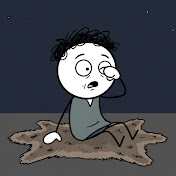
Over three thousand years ago a scribe wrote down why each man had missed work: one was brewing beer, one had been stung by a scorpion, one stayed at home because his eye was sick. These were the men who cut and painted the tombs of the pharaohs, and they were not slaves.
They lived at Deir el-Medina, a walled village of roughly seventy houses in a dry valley west of Thebes, over the hills from the Valley of the Kings. The Egyptians called the workplace Set Maat, the Place of Truth, and the men called themselves Servants in the Place of Truth. The village had no well: water carriers with donkeys brought every drop up from the farmland by the river, so the state kept these hands free for the tombs.
This video reconstructs an ordinary working day from the paperwork the villagers left behind, thousands of notes on flakes of stone and broken pottery. The gang split into a right side and a left side, each with its own foreman and deputy, plus the scribe of the tomb who recorded everything. A ten-day week, eight days on and two off, with the men sleeping in stone huts on the ridge instead of walking home. Copper chisels weighed out and weighed back in, lamp wicks counted day after day. Draftsmen sketching in red, a senior artist correcting in black, then sculptors and painters. Wages of four khar of emmer and one and a half of barley a month, in an economy with no coins at all.
Then the day the grain was late. In the twenty-ninth year of Ramesses the Third the men put down their tools, marched past the guard posts, sat down beside the royal temples and said plainly that they were hungry. It is often called the first recorded strike in history. Around that runs a whole life: coffins made on days off, arguments over rented donkeys, a village court, an oracle carried through the street, Naunakhte's will cutting out the children who had not cared for her, the cobra goddess Meretseger, and Neferabu's confession that a god had made him see darkness by day.
Chapters:
0:00 A Man Stayed Home to Brew Beer
1:29 Deir el-Medina, a Desert Village
3:14 The Gang, the Foremen, the Scribe
4:22 A Ten-Day Week, Huts on the Ridge
5:01 Inside the Tomb: Chisels and Wicks
6:43 Paid in Grain, Not in Coins
8:23 The Absence Register and Its Excuses
10:11 The First Recorded Strike
11:48 Side Jobs, Donkeys and the Oracle
13:35 Naunakhte's Will and Village Women
15:12 Meretseger and Their Own Tombs
16:52 Abandoned, Buried, Rediscovered
#AncientEgypt #DeirElMedina #History #Archaeology
