The Floating Machines That Cleared America's Rivers | Industrial history #steel #steam
Iron & Steam
0:00 / 0:00
The Floating Machines That Cleared America's Rivers | Industrial history #steel #steam
25 просмотров · 2 недели назад
Iron & Steam
1 подписчик
25 просмотров · 2 недели назад
IRON & STEAM — machines that built the modern world
#IndustrialHistory #Engineering #Steam #Steel
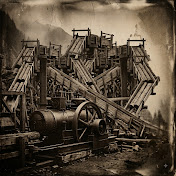
In 1852, the steamboat Glencoe struck a submerged tree on the Arkansas River. Within three minutes, it sank. Forty-seven passengers drowned. The killer wasn't a storm or mechanical failure—it was a tree trunk, wedged into the riverbed like a fence post driven into concrete. Before railroads connected America, rivers were the lifeblood of commerce. The Mississippi system moved everything: cotton, livestock, grain, manufactured goods, and people. Hundreds of steamboats worked these waters daily. Towns existed because rivers ran past them. Fortunes rose and fell based on whether cargo reached New Orleans or sank halfway there. But America's rivers had a deadly problem. Ancient timber lined the banks—cottonwoods and oaks that had stood for centuries. Floodwaters constantly undermined root systems. When a tree finally toppled, its heavy root ball sank and wedged into the mud. The trunk angled upstream like a spear, invisible beneath brown water, waiting to tear open the hull of any vessel that came around the bend. Rivermen called them snags. A planter was a tree so firmly embedded it became part of the riverbed itself, reinforced by years of silt until it was immovable. A sawyer was a trunk that bobbed up and down with the current, surfacing just long enough to be seen before disappearing again. A sleeper lay horizontal just below the surface, undetectable until impact. These submerged trees killed hundreds of people and destroyed countless vessels. They made entire stretches of river unnavigable. Insurance rates soared. Trade slowed. The economic arteries of a young nation were clogged with timber. The solution required engineering that had never been attempted before: specialized floating machines designed to locate, extract, and destroy massive waterlogged trees anchored to riverbeds. These vessels—called snag boats—combined steam power, heavy winching systems, and reinforced hulls to transform deadly waterways into safe commercial highways. This video explores how America built these remarkable machines, why they were necessary, and how they turned an existential threat to river commerce into a solved engineering problem. The technology that cleared the rivers in the 1800s represents one of the most important—and least remembered—infrastructure achievements in American history.
Key search angles (use naturally, do not spam):
Short: steel, steam, iron, machine, engineering, industrial
Long: industrial revolution explained, how the blast furnace works, engineering history documentary, american industrial history
CHAPTERS:
00:00 The Glencoe Disaster: When Rivers Killed
00:44 Rivers as America's Arteries
01:45 The Vocabulary of Death: Understanding Snags
02:33 The Numbers: A Crisis in Statistics
03:45 Congress Offers a Bounty
04:43 Enter Henry Miller Shreve
06:19 The Machine Solution
08:26 Immediate Success: The First Season
10:07 Creating Predictable Commerce
11:45 The Continuous Battle
13:26 Congress Weighs Snag Removal vs Shipwreck Costs
15:17 Rivers Shape Cities
16:33 Geological Barriers Prevent River Clearing
18:01 The Ecological Cost and Modern Lessons
Disclaimer
This video is for educational industrial history only. It is not professional engineering, legal, or financial advice.
#steel #steam #iron #machine #engineering #industrial revolution #industrial history #how it works #engineering documentary #american industry #snag boats history #America river engineering #steamboat dangers 1800s #submerged tree removal #Mississippi river history #floating machines rivers #how snag boats work
#IndustrialHistory #Engineering #Steam #Steel #Documentary
