Scheduling, Simulation, and the Future of Resident Well-Being
A Dose of Optimism
0:00 / 0:00
Scheduling, Simulation, and the Future of Resident Well-Being
38 просмотров · 8 дн. назад
A Dose of Optimism
23 подписчика
38 просмотров · 8 дн. назад
Two innovations. Both designed to make pediatric healthcare better, one for the people who train our future doctors, and one for the patients who depend on them.
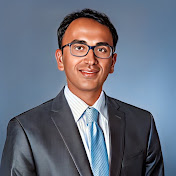
Kevin Fang, MD and Tyler Fong are the co-founders of Oso Schedule, a scheduling platform built at Children's Hospital Los Angeles to solve one of the most underrated problems in medical training: resident scheduling. With 100+ residents, 13 rotation types, and billions of possible permutations, what once took chief residents weeks of manual spreadsheet work can now be solved faster, and with better outcomes. In their first year using Oso, CHLA saw a meaningful drop in resident callouts. Better scheduling isn't just administrative, it's a well-being tool that trickles all the way down to patient care.
Dr. Pooja Nawathe is a professor of pediatrics and medical director of pediatric simulation at Cedars-Sinai Guerin Children's. She uses simulation to find system gaps before they harm patients, from tracheostomy emergency preparedness to World Cup tabletop exercises to CPR research using female mannequins. Her ERTS framework turns adverse event reports into simulation scenarios that close the loop between reporting and solving.
Topics covered in this episode:
-Why pediatric residency scheduling creates billions of permutations, and what it cost chief residents to solve it manually
-How Oso Schedule was born from a personal frustration and a partnership between a physician and an engineer
-Why resident well-being isn't about perks; it's about schedules that reflect real life
-How simulation can move from reactive safety training to proactive gap identification
-The ERTS framework: turning incident reports into practice-changing simulations
CPR performance and female mannequins: what a crossover study revealed about training gaps
-Simulating CPR in viral hemorrhagic fever scenarios, and why no one had done it before
-Pediatric preparedness: tabletop exercises, special pathogens, and international collaboration
A Dose of Optimism is a podcast from KidsX dedicated to the innovators shaping the future of pediatric healthcare. Hosted by Omkar Kulkarni.
🎧 Listen on Apple Podcasts: https://podcasts.apple.com/us/podcast...
📺 Subscribe on YouTube: / @dose_of_optimism
Connect with Dr. Kevin Fang and Tyler Fong:
→Kevin Fang LinkedIn ( / kevin-fang-470993122 )
→Tyler Fong LinkedIn ( / tyler-fong-3aa5b0101 )
→OSO Schedule Website (https://www.ososchedule.com/)
Connect with Dr. Pooja Nawathe:
→Dr. Pooja Nawathe LinkedIn ( / pookul99 )
→Dr. Pooja Nawathe Cedars-Sinai (https://researchers.cedars-sinai.edu/...)
Connect with us:
→Children's Hospital L.A. Website (https://www.chla.org/)
→Children's Hospital L.A. Instagram ( / childrensla )
→Children's Hospital L.A. LinkedIn ( / childrensla )
→KidsX Website (https://www.kidsx.health/)
→KidsX LinkedIn ( / kidsx )
→For more episode resources, please check out our blog (https://kidsx.health/podcast/)
The content, views, opinions, and information presented on this podcast do not reflect the views of Children’s Hospital Los Angeles or of the sponsors of the podcast. CHLA does not endorse the views, opinions and information presented on this podcast and CHLA specifically disclaims any legal liability or responsibility for the podcast’s content.
#ADoseOfOptimism #HealthcareInnovation #PediatricHealthcare #ChildrensHealth #KidsX #ResidentWellBeing #MedicalSimulation #PediatricTraining #HealthTech #StartupHealth #MedicalEducation #PatientSafety #HealthcareLeadership #PediatricICU #DigitalHealth
