What the Bayou Fishermen Refused to Say About Louisiana's Honey Island — Until 1953
The Cold Hour
0:00 / 0:00
What the Bayou Fishermen Refused to Say About Louisiana's Honey Island — Until 1953
667 просмотров · 5 дней назад
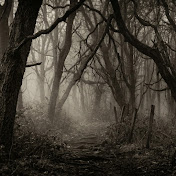
The Cold Hour
2,8 тыс. подписчиков
667 просмотров · 5 дней назад
🔥 Don’t forget to subscribe and turn on notifications for more forgotten history, Louisiana folklore, swamp mysteries, and strange encounters from America's past. If you enjoy uncovering stories hidden in remote places, join our growing community and never miss an upload! 🔔
/ @thecoldhouryt
Deep within the wetlands of southeastern Louisiana lies Honey Island Swamp, a vast landscape of cypress trees, dark waterways, thick vegetation, and isolated stretches of wilderness. For generations, fishermen, hunters, trappers, and boatmen have navigated its waters, learning the sounds and dangers of the swamp.
But according to one enduring legend, there were things these people preferred not to discuss.
By the early 1950s, stories began circulating about strange tracks, unexplained noises, powerful odors, and an elusive creature said to move through the deepest parts of the swamp. Some versions of the story describe a mysterious humanoid animal lurking beyond the waterways, watching fishermen before disappearing into the trees.
Then came 1953.
What supposedly happened that year? Why did local fishermen allegedly refuse to talk about what they had encountered? And could the stories have been connected to the legend that would eventually become known as the Honey Island Swamp Monster?
In this video, we travel into the history of Honey Island Swamp and examine the folklore surrounding one of Louisiana's most famous cryptid legends. We explore the swamp's unique environment, the traditions of local fishermen and hunters, reported encounters, alleged tracks, and the stories that helped transform a remote wetland into one of America's most enduring mystery locations. 🌿🐊🌙
Honey Island Swamp itself is very real. Its isolated waterways and dense forests create an environment where visibility can be extremely limited, especially after sunset. Alligators, wild boar, deer, large birds, and other wildlife inhabit the region, while unfamiliar sounds can travel surprisingly far across the water.
That makes the swamp an ideal setting for stories about something that cannot quite be identified.
But how much of the 1953 story can actually be verified?
📜 Important note: The Honey Island Swamp Monster is a well-known piece of Louisiana folklore, but there is no reliable historical evidence establishing that fishermen in 1953 encountered a previously unknown creature or collectively refused to reveal a confirmed discovery. Many details of the legend come from later retellings, and the story should be approached as folklore and an unverified cryptid account, rather than documented zoological fact.
Still, the mystery raises fascinating questions.
Why do remote communities develop stories about creatures that outsiders rarely see? How can one unexplained encounter become an enduring local legend? And could some historical reports have been based on ordinary wildlife, human activity, or environmental conditions that witnesses simply couldn't identify at the time?
As we follow the legend through Louisiana's swamp history, we'll separate the documented environment from the stories that grew around it—and examine why the Honey Island Monster continues to capture the imagination decades later.
Whether you're fascinated by Louisiana history, bayou folklore, cryptids, swamp creatures, unexplained encounters, or forgotten stories from America's wilderness, this investigation takes you deep into one of the country's strangest legends.
Watch until the end and decide for yourself: what were those fishermen really seeing in the darkness—and why did the story refuse to disappear?
💬 Do you believe the Honey Island legend began with an unknown animal, a misunderstood encounter, or something much stranger? Share your theories and research in the comments.
Some places are difficult to explore because of the terrain.
Others are difficult to explore because of the stories waiting inside them.
