The OLD-FASHIONED Way To Make Yorkshire Puddings — Tall & Crisp Every Time (The English Way)
Edith Cooks
0:00 / 0:00
The OLD-FASHIONED Way To Make Yorkshire Puddings — Tall & Crisp Every Time (The English Way)
15 325 просмотров · 2 недели назад
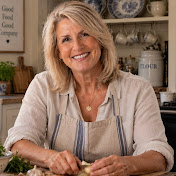
Edith Cooks
201 подписчик
15 325 просмотров · 2 недели назад
Tall, crisp Yorkshire puddings every single time — and the secret isn't the recipe. It's what you do before the batter ever touches the tin. My mother did it every Sunday, and hers never once came out flat.
In this video I'll show you the old-fashioned way to make Yorkshire puddings, just as I was taught in an English kitchen more than fifty years ago. No fancy flour, no special tins. Just eggs, flour, milk, a pinch of salt, and the one step most people skip.
If yours come out flat, soggy in the middle, or stuck to the tin, you're not doing anything daft. You were simply never shown this part.
Full recipe below ⬇️
Five ingredients and two rests. That's the whole secret, love.
You'll need
140 g plain flour
4 large eggs
200 ml whole milk
A good pinch of salt
About 2 tbsp beef dripping (or a flavourless vegetable oil)
A heavy 12-hole metal muffin tin
Method
Whisk the eggs on their own in a large jug or bowl until pale and a bit frothy. Doing them first traps the air that becomes your rise later.
Sift in the flour and salt, whisking as you go so no lumps form. Then pour in the milk slowly, whisking all the while, until the batter is the thickness of single cream — thinner than you'd think, almost like pouring custard. Dip the back of a spoon in and run your finger through: the line should hold for a second or two before creeping back. A stiff batter makes a stiff pudding.
The first rest. Cover the jug and put it in the fridge for at least 30 minutes — an hour is better, overnight is better still. This is where the gluten softens and the starch finishes swelling. Go and peel your potatoes.
The second rest — the one nobody tells you about. About 20 minutes before baking, turn the oven up as high as it goes (around 220°C). Put a scant teaspoon of fat in each hole and slide the tin in empty of batter for a full 10–15 minutes, until the fat is properly smoking and shimmering.
The pour. Batter straight from the fridge, tin straight from the oven. Work fast and fill each hole about halfway — no more, they need room to climb. It should sizzle the moment it touches the fat. Back in the oven, shut the door.
The bake: 18–20 minutes, and do not open that door. Not to check, not to peek. Around minute eight or nine you'll see them climb. They're done when they're deep golden, crisp, and sound hollow when tapped.
Serve straight away onto warm plates — a Yorkshire pudding starts sinking the moment cool air reaches it. Have the meat carved and the gravy poured before that oven door ever opens.
If it went wrong
Flat and pale → the fat wasn't hot enough. Give it longer; wait for the smoke.
Rose then sank once out → that's not a fault, that's what a proper one does. Have everyone sat down first.
Stuck to the tin → be more generous with the fat.
Greasy, sitting in a puddle → too much fat. A proper teaspoon, not a splash.
One side tall, the other low → uneven oven. Turn the tin quickly at 10 minutes and shut the door straight after.
Leftovers freeze well once fully cooled, laid flat in a single layer — 2 to 3 minutes in a hot oven from frozen brings back most of the crispness.
Put the kettle on and sit with me a while. Did your mum or nan make them this way too? Tell me in the comments.
#yorkshirepudding #sundayroast #englishcooking
