25 FORGOTTEN Appalachian Garden Tricks Grandma Used to Grow MORE Food With LESS Work
Burl Sizemore Garden
0:00 / 0:00
25 FORGOTTEN Appalachian Garden Tricks Grandma Used to Grow MORE Food With LESS Work
868 просмотров · 4 недели назад
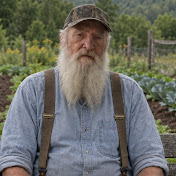
Burl Sizemore Garden
923 подписчика
868 просмотров · 4 недели назад
My grandmother kept a coffee can of bean seed on the shelf above her stove, and that can
outlived her by thirty years. She fed nine people out of a patch of ground no bigger than
a bedroom, and she was done out there by the time the dew burned off.
My name is Burl Sizemore. I am seventy two and I have spent almost all of it in this county
in the mountains of eastern Kentucky, on the same hillside where she grew that food. I have
watched men put in a garden twice her size, water it every evening, spray it, weed it on
their knees every Saturday, and come out in September with half of what she got.
The difference was never the ground and it was never the weather. It was twenty five things
she did, and most of them happened before a single seed went in.
Here is the whole list. Working only the row instead of turning the whole plot, and why
ground you leave alone gets better while ground you turn gets worse. Sowing radish with the
carrot so the row draws its own weeding line three weeks early. Cutting bean poles off the
hillside in February and peeling the bottom two feet, which is the only reason they lasted
five seasons. Wood ash down in the trench and never on the leaf. Letting one ugly row go to
seed on purpose, and eating volunteer lettuce in March. Corn, beans and squash in one patch
paying rent to each other. A coffee can sunk in the squash hill with the rim standing proud.
Six inches of spoiled hay over every inch of bare dirt, and the one time of year she pulled
it back instead. Burying the kitchen scraps in the walkway so the garden walked itself across
the plot two feet a year. Reading the ground with a handful of dirt instead of a calendar.
Onions between the carrots, guarding each other in both directions. Thirty sweet potato
plants twisted off one root. Four old window sashes laid flat on the ground three weeks
early. Comfrey in the wet corner, which is a pump, and which never leaves once you plant it.
A fish buried a foot under every tomato and covered two weeks ahead. Hilling potatoes with
oak leaves so there is no fork and no digging. Carrots and parsnips left standing in frozen
ground all winter, and the four crops that will not do it. Eleven days of hens on the plot
and not one day more. Lye soap and tobacco water at dusk and never at noon. Green beans dried
on a string instead of canned in August. Winter rye and clover sown in September to hold a
hillside and grow your own nitrogen. Rain water out of a barrel instead of fifty five degree
well water. Picking every single day, which is not for the kitchen, it is for lying to the
plant. A school composition book that was worth more than the seed.
And number one, which is not a trick and is the only one you cannot start this week.
