What Did Ancient Humans Actually Do After Dark?
The First Campfire
0:00 / 0:00
What Did Ancient Humans Actually Do After Dark?
1 245 просмотров · 2 недели назад
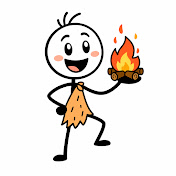
The First Campfire
8 подписчиков
1 245 просмотров · 2 недели назад
What did ancient humans actually do after dark?
Before electricity, streetlights, phones, and artificial lighting, nighttime was a completely different world. Darkness limited movement, changed daily routines, and made staying together around the fire incredibly important.
So how did ancient humans survive the night?
In this documentary-style exploration, we look at what humans may have actually done after sunset — from gathering around fire and watching for danger to storytelling, socializing, repairing tools, studying the moon and stars, and eventually sleeping.
We’ll explore:
• How fire transformed the ancient night
• Why ancient humans may not have always slept in one uninterrupted block
• How groups protected themselves after dark
• Why storytelling became so important around the fire
• How stories could preserve survival knowledge
• What people could still make and repair at night
• How the moon and stars helped humans understand their environment
• Why ancient humans watched the night sky
• How darkness shaped the rhythm of human life
• How artificial light eventually changed humanity’s relationship with the night
For ancient humans, the night wasn't simply a time when there was nothing to do.
Darkness created boundaries.
And those boundaries may have shaped human cooperation, storytelling, relationships, sleep, and society in ways we rarely think about.
The next time you turn off your bedroom light, remember: for most of human history, darkness wasn't something you could simply switch off.
It was the world.
#AncientHumans #HumanEvolution #Prehistory #Anthropology #HumanHistory#AncientHumans #HumanEvolution #Prehistory #Anthropology #HumanHistory
